20 iulie 2026
Adicții și Dependențe | Puterea Grupului de Suport, Psihoeducație și Procesul Schimbării în Penitenciarul Oradea | Psiholog Oradea Carmen Foia
Cum începe procesul schimbării în cazul persoanelor care se confruntă cu adicțiile și dependențele? O perspectivă psihologică asupra anxietății, motivației, restructurării cognitive și a rolului grupurilor de suport în procesul recuperării și dezvoltării personale.
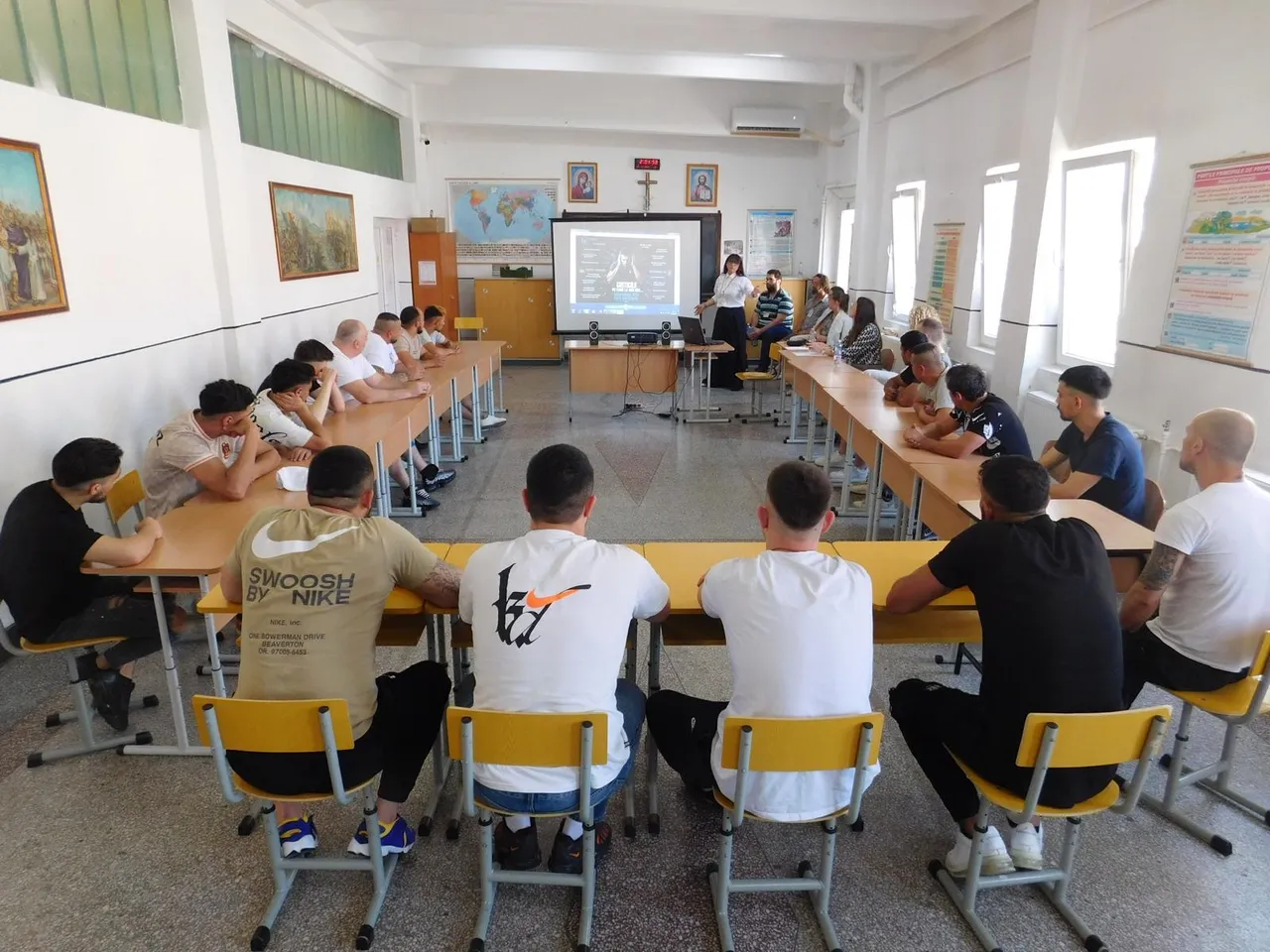
Psiholog Oradea – Adicții și Dependențe | Grup de Suport, Psihoeducație și Procesul Schimbării în Penitenciarul Oradea
Atunci când vorbim despre dependențe, prima întrebare este adesea „De ce consumă?”. Literatura contemporană din domeniul psihologiei clinice și al adicțiilor ne invită însă să formulăm o întrebare diferită și, poate, mai profundă:
„De ce suferă?”
În spatele unei dependențe se află rareori doar comportamentul pe care îl observăm. De multe ori întâlnim anxietate, traumă, rușine, dificultăți de reglare emoțională, lipsa speranței, experiențe adverse de viață și strategii de coping care, la un moment dat, au reprezentat singurele soluții pe care persoana le-a avut la dispoziție pentru a face față propriei suferințe.
Tocmai de aceea, recuperarea înseamnă mai mult decât renunțarea la un anumit comportament. Ea presupune înțelegerea mecanismelor psihologice care îl mențin și dezvoltarea unor modalități mai sănătoase prin care oamenii își pot gestiona emoțiile, gândurile și provocările vieții.
În cadrul activităților psihoeducaționale și al grupului de suport dedicate persoanelor adulte care se confruntă cu adicțiile și dependențele, desfășurate în Penitenciarul Oradea, am avut oportunitatea de a aborda teme precum:
anxietatea și impactul acesteia asupra comportamentelor adictive;
procesul psihologic al schimbării și motivația pentru recuperare;
identificarea gândurilor automate negative și restructurarea cognitivă;
dezvoltarea unor strategii sănătoase de reglare emoțională;
rolul motivației în menținerea schimbărilor pe termen lung;
mecanismele psihologice implicate în dezvoltarea și menținerea dependențelor;
dezvoltarea rezilienței și cultivarea speranței în procesul recuperării;
autocunoașterea și compasiunea față de propria persoană.
Literatura de specialitate evidențiază faptul că intervențiile cognitiv-comportamentale și psihoeducația joacă un rol important în procesul recuperării persoanelor care se confruntă cu dependențele. În egală măsură însă, cercetările subliniază importanța sprijinului social și a relațiilor autentice în menținerea schimbărilor comportamentale pe termen lung.
Grupurile de suport oferă participanților mult mai mult decât informații și tehnici psihologice. Ele oferă apartenență, validare și oportunitatea de a descoperi că schimbarea este posibilă. Uneori, oamenii au nevoie să învețe că dificultățile lor nu îi definesc și că trecutul nu trebuie să decidă întotdeauna viitorul.
Poate una dintre cele mai importante lecții pe care această experiență mi le-a oferit este aceea că oamenii sunt întotdeauna mai mult decât dificultățile cu care se confruntă.
În spatele anxietății există o poveste.
În spatele furiei există o poveste.
În spatele unei dependențe există aproape întotdeauna o suferință care merită ascultată și înțeleasă.
Cred cu tărie că rolul psihologului nu este acela de a judeca oamenii pentru cele mai dificile momente ale vieții lor, ci de a îi ajuta să își înțeleagă propriile mecanisme psihologice și să descopere că există și alte modalități prin care își pot gestiona suferința emoțională.
Recuperarea începe rareori în momentul în care o persoană spune:
„Nu mai consum.”
Ea începe, de multe ori, în momentul în care spune:
„Cred că merit o viață diferită.”
Uneori, cea mai importantă schimbare nu este aceea că un om renunță la un comportament adictiv, ci aceea că începe să creadă, poate pentru prima dată după mult timp, că schimbarea este posibilă.
Pentru mine, aceasta reprezintă una dintre cele mai frumoase lecții pe care psihologia mi le oferă zi de zi: oamenii sunt întotdeauna mai mult decât cele mai dificile momente ale vieții lor și merită să fie întâmpinați cu aceeași empatie și speranță pe care ne-am dori să le primim și noi în momentele noastre de vulnerabilitate.
Psiholog Oradea | Psiholog adicții și dependențe Oradea | Grup de suport pentru dependențe Oradea | Consiliere psihologică pentru adulți | Gestionarea anxietății și a stresului | CBT și restructurare cognitivă | Motivație și procesul schimbării | Dezvoltare personală și sănătate mintală | Penitenciarul Oradea