20 iulie 2026
Burnout în Sesiune, Motivație și Stres Academic | Cum gestionăm presiunea examenelor? | Psiholog Oradea Carmen Foia
Cum recunoaștem burnout-ul academic? De ce ne pierdem motivația în sesiune și cum putem gestiona mai sănătos stresul și presiunea examenelor? Un workshop dedicat sănătății mintale, motivației și echilibrului emoțional al studenților.
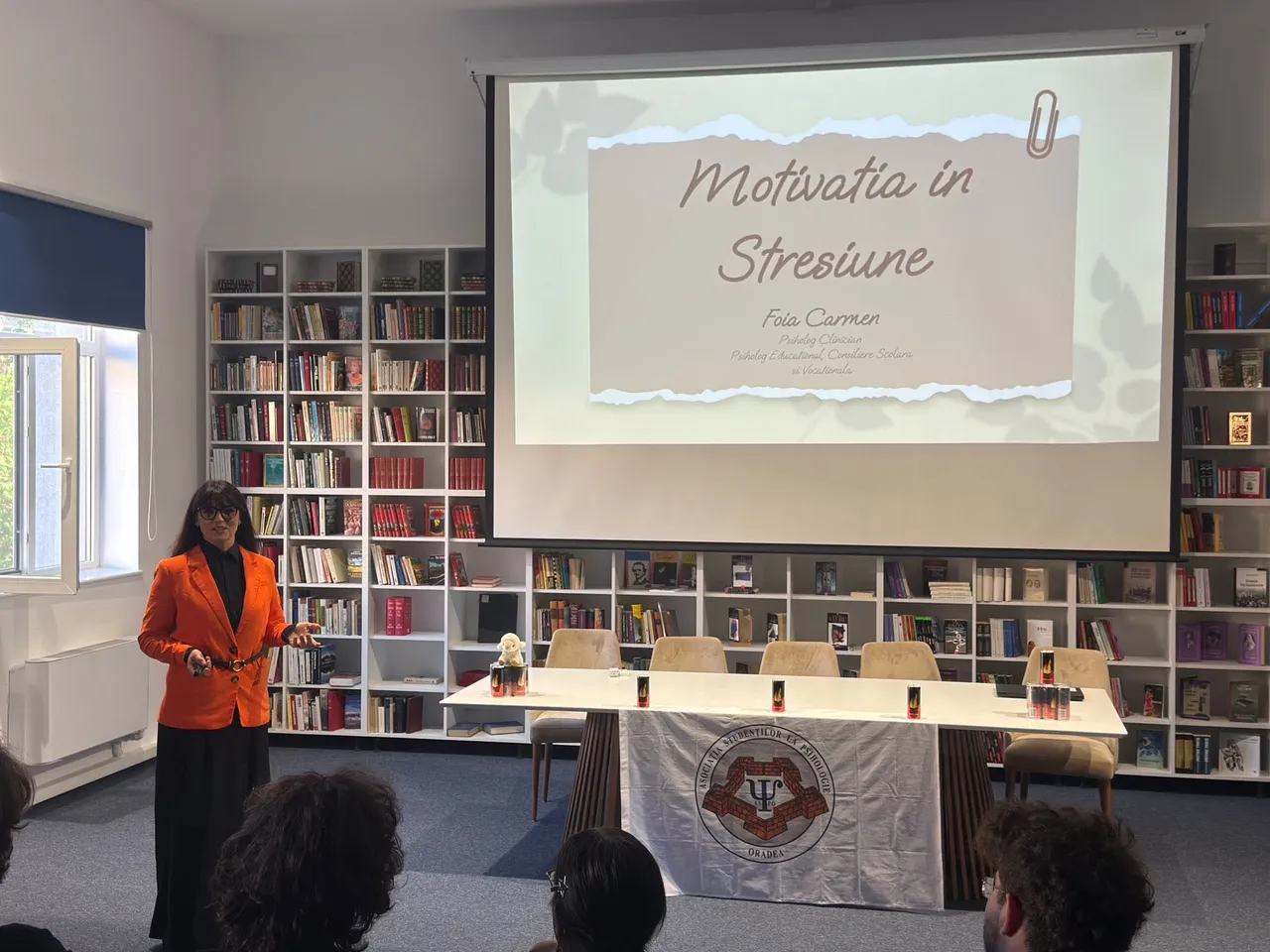
Psiholog Oradea – Burnout în Sesiune, Motivație și Stres Academic | Cum gestionăm presiunea examenelor?
Pentru mulți studenți, sesiunea reprezintă una dintre cele mai solicitante perioade ale anului universitar. Presiunea performanței, teama de eșec, lipsa somnului, procrastinarea și orele petrecute învățând pot transforma motivația de la începutul semestrului într-o stare profundă de oboseală fizică și emoțională.
Însă există o diferență importantă între a fi obosit și a experimenta burnout-ul academic.
Burnout-ul nu înseamnă doar că am învățat prea mult pentru un examen. El poate apărea atunci când solicitările pe care ni le impunem sau pe care le primim din exterior depășesc, pentru o perioadă îndelungată, resursele noastre emoționale și psihologice. În mediul academic, acesta se poate manifesta prin lipsa motivației, dificultăți de concentrare, epuizare emoțională, autocritică excesivă și sentimentul că, indiferent cât am face, nu este niciodată suficient.
În cadrul evenimentului „Stresiunea – lupta invizibilă dintre burnout și motivație”, desfășurat în cadrul Centrului de Consiliere și Servicii privind Cariera (CCSC) din Oradea, am avut oportunitatea de a discuta împreună cu studenții despre provocările emoționale specifice sesiunii și despre modalități sănătoase prin care ne putem păstra echilibrul dintre performanță și sănătatea mintală.
Împreună am explorat:
diferența dintre stresul adaptativ și burnout-ul academic;
impactul presiunii examenelor asupra sănătății mintale;
relația dintre gânduri, emoții și comportamente în perioadele solicitante;
motivația intrinsecă și extrinsecă și rolul lor în performanța academică;
procrastinarea și dificultățile de autoreglare în sesiune;
importanța odihnei și a stabilirii unor limite sănătoase;
strategiile psihologice care ne pot ajuta să gestionăm mai eficient stresul academic.
Un aspect important pe care l-am discutat a fost faptul că performanța sustenabilă nu înseamnă să funcționăm permanent la capacitate maximă. A avea grijă de sănătatea noastră mintală nu reprezintă un obstacol în calea succesului academic, ci unul dintre factorii care îl fac posibil.
De multe ori, studenții își spun că vor avea grijă de ei după ce termină sesiunea, după ce promovează examenul sau după ce își ating următorul obiectiv. Însă echilibrul emoțional nu este o recompensă pe care o merităm doar atunci când performăm suficient de bine. El reprezintă o nevoie psihologică fundamentală, care merită aceeași atenție pe care o acordăm performanței și rezultatelor academice.
Motivația sănătoasă nu înseamnă să nu obosim niciodată, să fim permanent productivi sau să nu ne confruntăm cu dificultăți. Ea înseamnă să învățăm să ne cunoaștem limitele, să ne dezvoltăm reziliența psihologică și să construim obiceiuri sustenabile care să ne permită să creștem fără a ne pierde echilibrul interior.
Cred cu tărie că succesul academic și sănătatea mintală nu sunt două obiective aflate în competiție, ci două componente care se susțin reciproc. Uneori, cel mai important lucru pe care îl putem face pentru performanța noastră este să avem grijă de noi înșine.
Mulțumesc tuturor studenților pentru implicare, curiozitate și deschiderea cu care au contribuit la această întâlnire. De asemenea, mulțumesc Asociației Studenților la Psihologie din Oradea (ASPO) pentru organizarea, promovarea și susținerea acestui eveniment dedicat sănătății mintale și dezvoltării personale.
Astfel de experiențe îmi reconfirmă, de fiecare dată, cât de important este să le oferim studenților nu doar instrumente pentru performanță, ci și resurse pentru a-și proteja sănătatea mintală în perioadele dificile.
Psiholog Oradea | Burnout academic | Stres în sesiune | Motivație academică | Gestionarea anxietății și a stresului | Consiliere psihologică pentru studenți | Sănătate mintală și echilibru emoțional