20 July 2026
The Person Behind the Diagnosis | Lessons from Neuropsychiatry on Resilience and Mental Health
My work in a neuropsychiatry department gave me the opportunity to gain a deeper understanding of the complexity of human suffering and the importance of providing psychological support with empathy and professionalism. It was an experience that has enriched both my professional and personal perspectives.
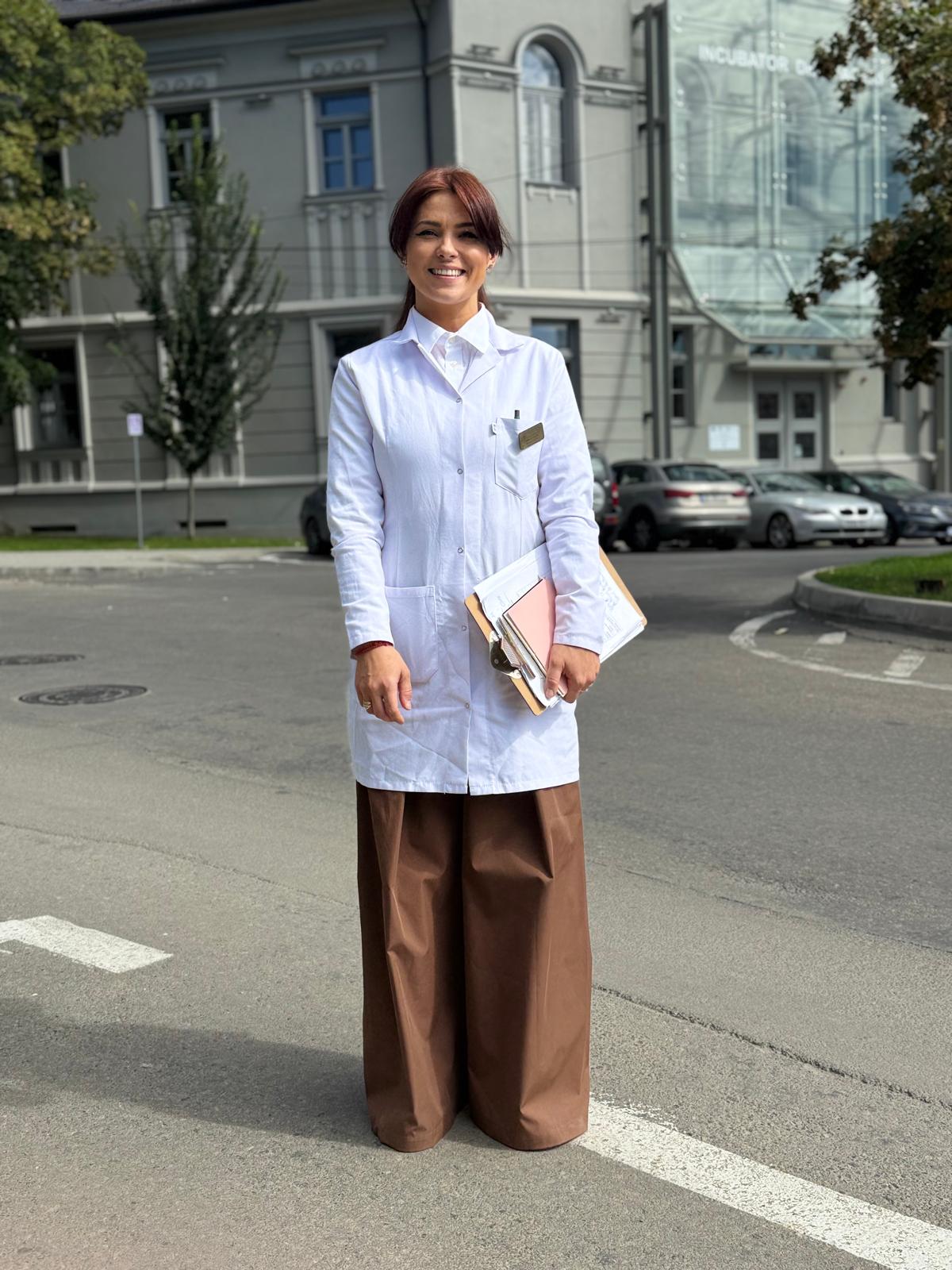
Psychologist in Oradea – The Person Behind the Diagnosis | Lessons from Neuropsychiatry on Resilience and Mental Health
There are professional experiences that enrich your knowledge, and there are experiences that change the way you view people.
My work in the neuropsychiatry department has given me the opportunity to discover that, beyond every diagnosis, symptom or psychological report, there is always a story worth listening to.
The specialist literature in the field of clinical psychology highlights the fact that mental health is the result of a complex interaction between biological, psychological and social factors. Suffering can rarely be understood in a simplistic way or reduced to a list of symptoms. Behind anxiety, depression, adjustment disorders or emotional difficulties lie, almost always, life experiences, losses, traumas, personal resources and a deeply human need to be understood.
The months I spent in this setting gave me the opportunity to take part in psychological assessments and the drafting of psychological reports, but above all the privilege of meeting people at some of the most vulnerable moments of their lives.
I have learnt that sometimes the strongest people are those who find the strength to simply say, ‘I can’t go on.’ And that, sometimes, the first step towards change begins precisely when we allow ourselves to be vulnerable.
One thing that contemporary literature on psychological resilience consistently emphasises is that people are often far more resilient than they realise. Resilience does not mean the absence of pain, nor is it the ability to cope with every challenge without help. It involves the ability to keep moving forward even when life’s circumstances force us to rebuild ourselves.
Neuropsychiatry has given me the opportunity to observe this resilience in its many different forms.
I have met people who had lost hope and gradually began to regain it. People who have learnt to view their difficulties with greater compassion, and people who have reminded me that no diagnosis can fully capture the complexity of a human being.
This experience has even changed the way I approach my work in the psychology practice.
It has taught me to listen more carefully to what is not always put into words. To give equal importance to the symptom and the story behind it. To see each person as much more than the difficulty for which they are seeking help, and to understand that the process of change often begins by creating a safe and authentic space.
I believe that one of the most important lessons this experience has taught me is that people do not come to a psychologist because they are weak or because they have failed. They come because they are human beings. And sometimes people need support to rediscover their own resources.
Beyond all the professional knowledge and skills I have acquired, perhaps the most valuable lesson remains this: before being a diagnosis, a psychological assessment or a report, every person is a story that deserves to be listened to with respect, patience and empathy.
For me, this is one of the most beautiful definitions of psychology.
Psychologist in Oradea | Clinical psychology | Mental health | Psychological assessment | Managing anxiety and depression | Psychological counselling for adolescents and adults | Personal development and psychological resilience