20 iulie 2026
Rolul Psihologului în Oncologie | Psiholog Oradea Carmen Foia
Diagnosticul oncologic produce schimbări profunde atât la nivel fizic, cât și emoțional. Psiho-oncologia evidențiază importanța sprijinului psihologic în gestionarea anxietății, incertitudinii și procesului de adaptare la boală atât pentru pacienți, cât și pentru familiile acestora.
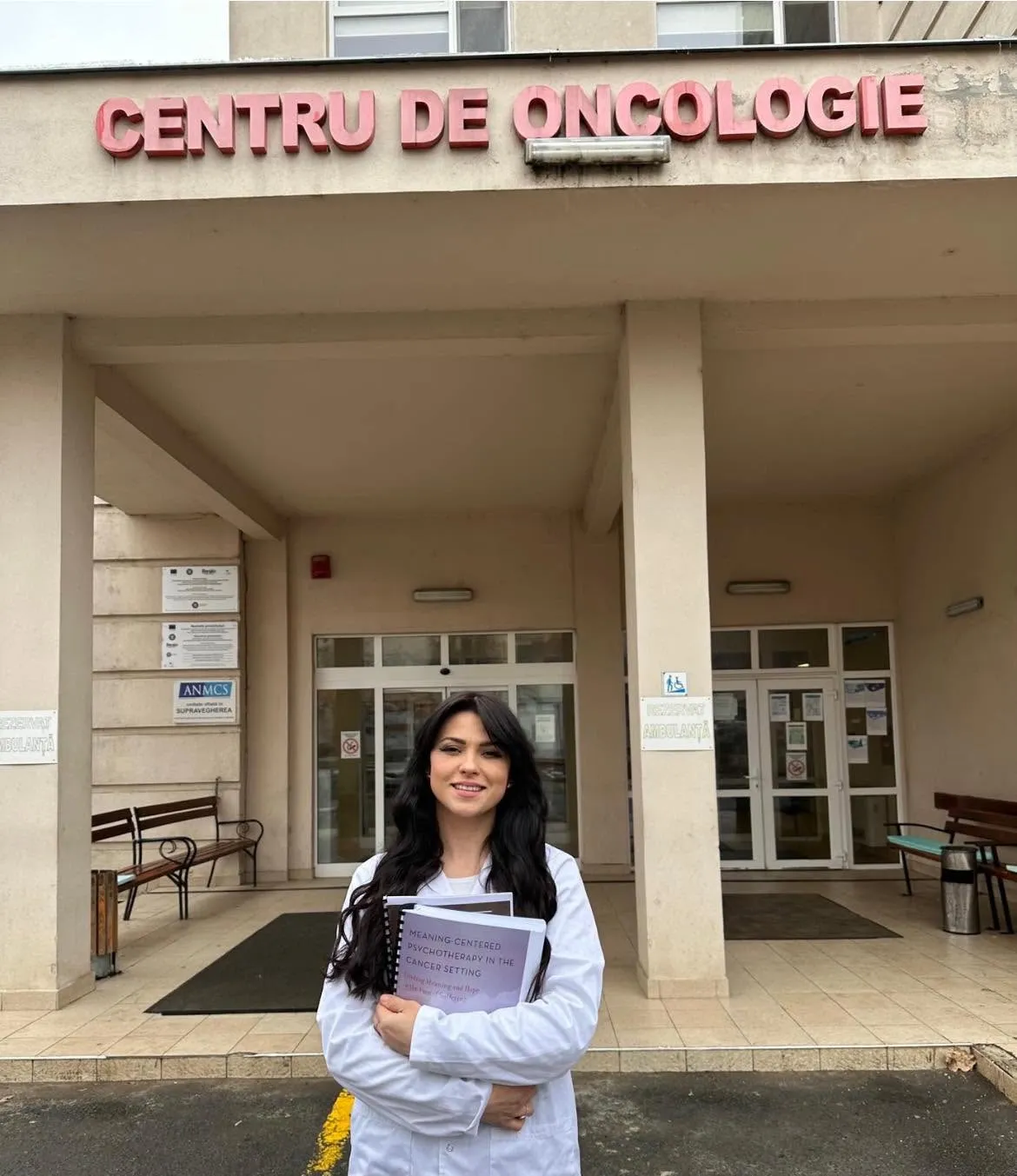
Psiholog Oradea – Psiho-Oncologie și Sprijin Psihologic în Fața Diagnosticului Oncologic
Există momente în viață care împart timpul în două: înainte și după. Pentru mulți pacienți, diagnosticul oncologic reprezintă unul dintre aceste momente.
Dintr-odată, întrebările devin mai numeroase decât răspunsurile. Apar teama, incertitudinea, nevoia de control și, uneori, dificultatea de a găsi sens într-o experiență atât de profund umană și dureroasă. Diagnosticul nu afectează doar corpul, ci produce schimbări importante la nivel emoțional, cognitiv, relațional și existențial.
Literatura de specialitate din domeniul psiho-oncologiei evidențiază faptul că persoanele diagnosticate cu cancer se pot confrunta cu anxietate, simptome depresive, tulburări ale somnului, dificultăți de adaptare, preocupări legate de viitor și modificări importante ale imaginii de sine și ale rolurilor familiale și profesionale. De asemenea, impactul emoțional se extinde frecvent asupra aparținătorilor și întregului sistem familial.
În acest context, rolul psihologului depășește cu mult simpla gestionare a simptomelor emoționale. Sprijinul psihologic poate contribui la facilitarea procesului de adaptare la boală, la dezvoltarea unor strategii sănătoase de coping și la cultivarea resurselor psihologice necesare pentru a face față incertitudinii și schimbărilor pe care această experiență le poate aduce.
Experiențele trăite pe parcursul celor șase luni de practică desfășurate în cadrul unei clinici de oncologie mi-au oferit oportunitatea de a înțelege mai profund dimensiunea umană a suferinței și complexitatea proceselor psihologice implicate în astfel de momente.
Am învățat că, uneori, oamenii nu caută doar răspunsuri sau soluții. Uneori au nevoie să fie ascultați fără grabă, să își poată exprima temerile fără teama de a fi judecați și să descopere că vulnerabilitatea și curajul pot coexista.
În psiho-oncologie, empatia nu reprezintă doar o calitate umană apreciată, ci una dintre premisele fundamentale ale construirii unei relații terapeutice autentice. Cercetările din domeniu subliniază importanța intervențiilor psihologice în reducerea distresului emoțional și în îmbunătățirea calității vieții pacienților oncologici și a familiilor acestora.
De multe ori, vindecarea nu poate fi definită exclusiv în termeni medicali. Ea poate însemna și recâștigarea sentimentului de control, redescoperirea resurselor interioare, reconectarea cu valorile personale sau găsirea sensului într-o perioadă profund dificilă a vieții.
Această experiență mi-a reconfirmat faptul că psihologia înseamnă mai mult decât evaluare și intervenție psihologică. Ea înseamnă prezență autentică, respect pentru fragilitatea umană și disponibilitatea de a rămâne alături de oameni chiar și atunci când nu putem îndepărta suferința, dar putem contribui la diminuarea singurătății cu care aceasta este uneori trăită.
Poate că una dintre cele mai importante lecții pe care oncologia le oferă este aceea că oamenii sunt, în același timp, mai fragili și mai rezilienți decât ne imaginăm.
Psiholog Oradea | Psiho-oncologie | Consiliere psihologică pentru pacienți oncologici și aparținători | Gestionarea anxietății și a distresului emoțional | Sănătate mintală | Dezvoltare personală și reziliență psihologică | Sprijin psihologic în perioade dificile ale vieții